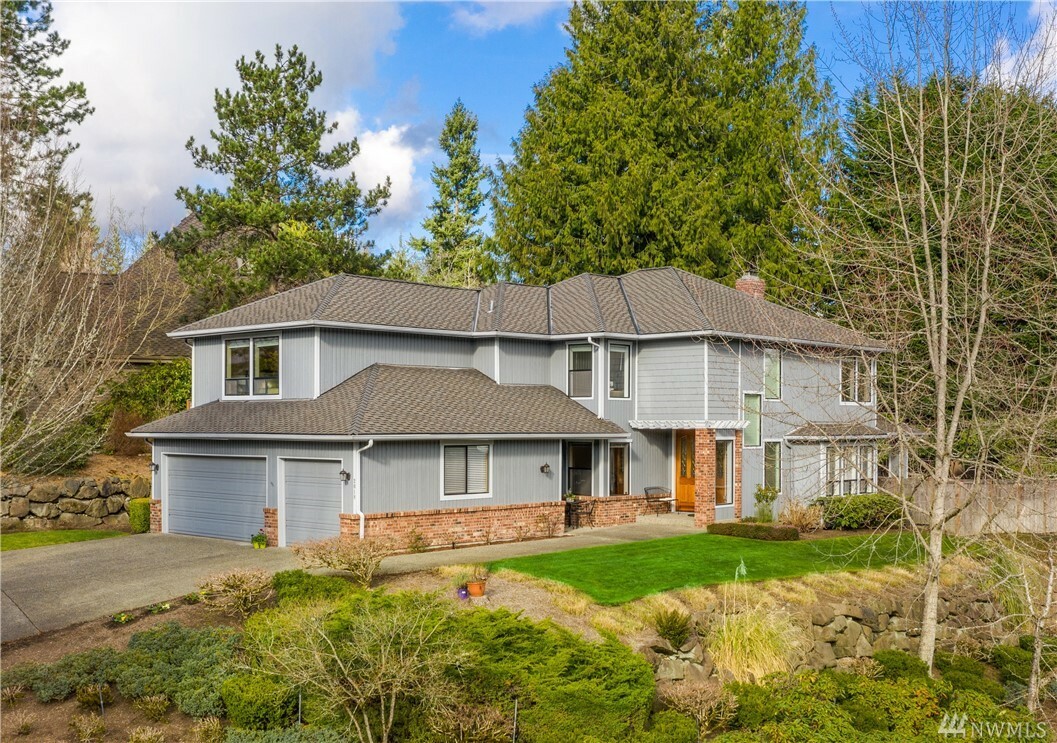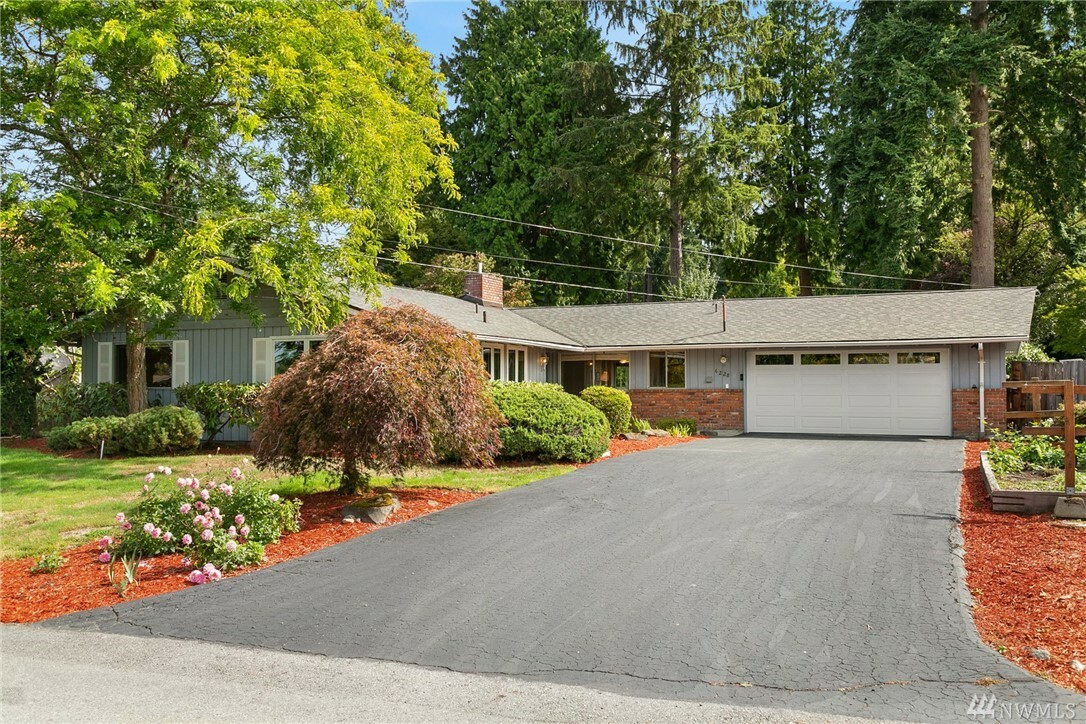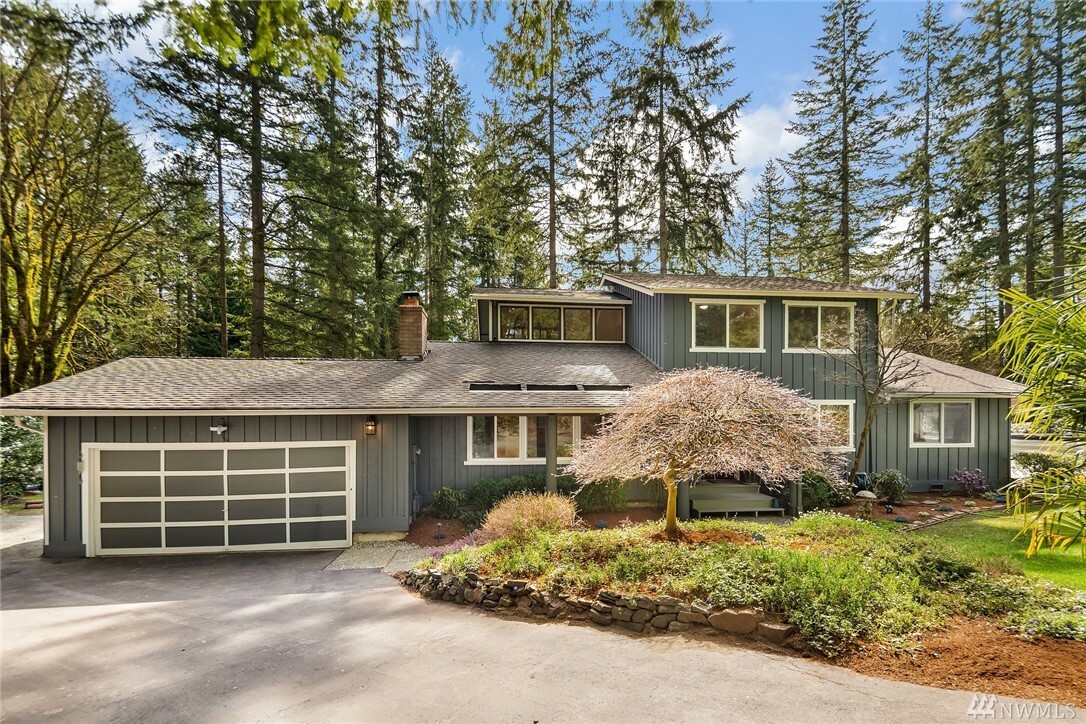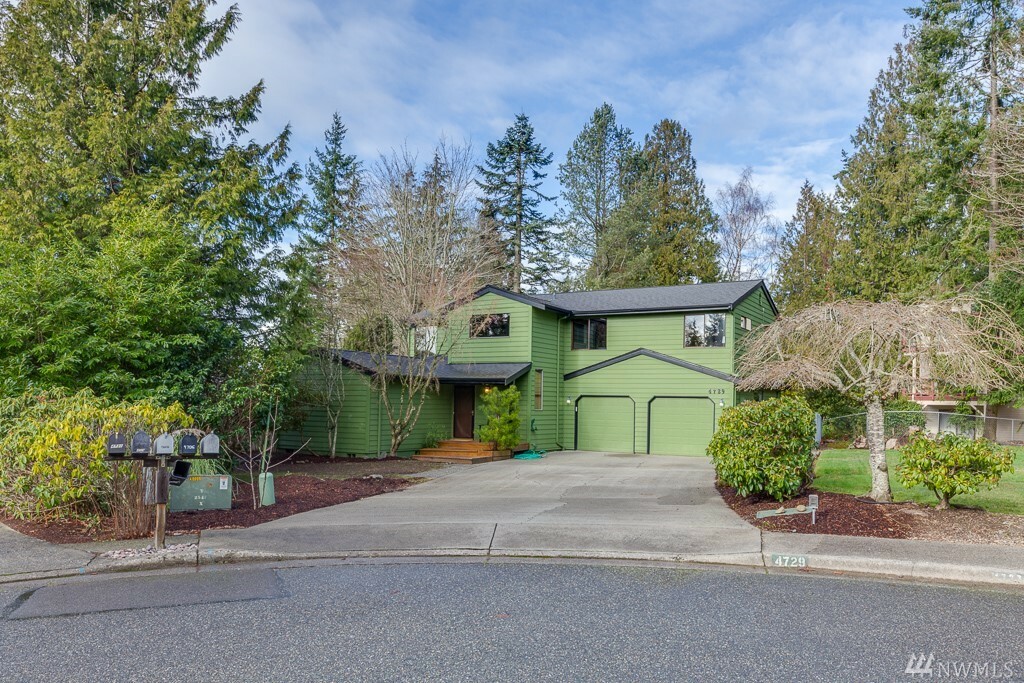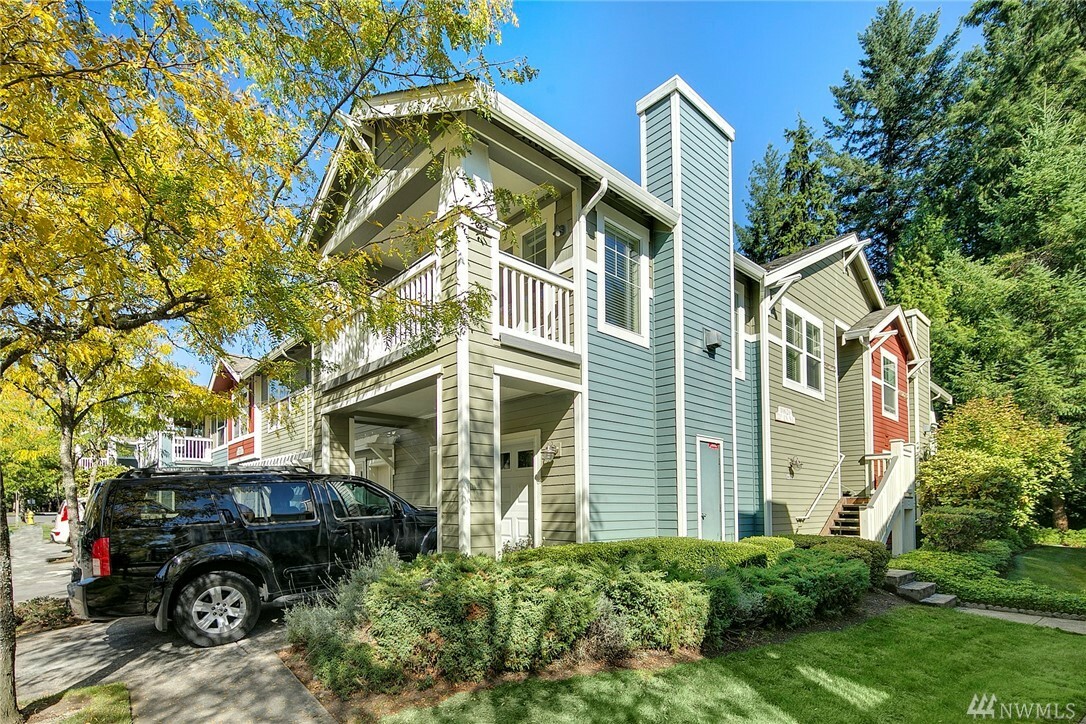

HOT PROPERTY
Jan. 21, 2010
Where Interest Rates are Headed
Daily Commentary by Larry Baer, Market Alert
SHORT-TERM TREND (10 days or less). Tilted ever so slightly in favor of lower rates and higher prices – but showing signs of running out of upward momentum.
LONG-TERM TREND (11 days or more) At a transition point – currently tilted slightly in favor of lower rates and higher investor prices.
Commentary: The number of folks standing in line to file first-time unemployment claims rose 36,000 during the week ended January 16th. Most mortgage investors shrugged the otherwise mortgage market friendly news off when a Labor Department spokesman said the rise in claims was administrative rather than economic because claims that were not processed over the Christmas and New Year’s holiday’s are now reflected in today’s data. In addition, because of Monday’s Martin Luther King Holiday, some states had failed to meet the deadline to submit their estimates, so the data wonks in

One last, but important thing. In my judgment there is an elephant sitting in every mortgage originators office across the country – demanding to at least be recognized.
As most readers already know -- the Fed will wrap up their direct purchase program for mortgage-backed securities by the end of March. Private buyers will undoubtedly step in and take over in a market that the government has artificially propped up since the crisis reached its peak roughly a year ago. That is the good news. The bad news is that these private buyers will have little appetite to buy mortgage-backed securities unless they offer a better return than these private buyers can get elsewhere on alternative investments in the capital markets. Against this backdrop -- it is almost a given mortgage interest rates will soon be on the rise.
I’m not trying to rain on anybody’s parade but I feel compelled to also point out that not only will mortgage interest rates be on the rise – but so will credit market volatility. When the Fed was large-and-in-charge – they were buying mortgage-backed securities with money they simply printed up out of thin air. Since they had no real profit motive – they had no need to hedge their non-existent risk. Those relatively quite market days will likely soon be nothing but a memory.
The retuning private buyers have nothing but a profit motive behind their trading activities – and they will be much more active with their risk management strategies. One of private investors’ favorite ways to protect their mortgage portfolios from loss during periods of rising interest rates is to sell Treasury obligations they don’t currently own. The idea here is that the money these investors lose on their mortgage portfolio as rates rise and prices fall -- will be offset by the money they make from their Treasury hedge.
Don’t stop reading yet.
The major “so what factor” here is that price movement and interest rate changes will likely be much more dynamic in the final three-quarters of the year than they will be during the first. In my judgment the fast approaching end of the Fed’s direct purchase program and the market volatility that will almost certainly follow could be a “game changer” for the unprepared or the unaware – especially those refinance candidates hovering in mortgage pipelines waiting for 30-year fixed mortgage interest rates to fall dramatically. Investors view this data as suggesting higher mortgage interest rates are likely three to nine months down the road.
Heads Up!
Phil Mazaferro Absolute Mortgage 206-947-9020 Cell